
As winter Gaming Brazil takes shape this year, players and developers are reshaping the Brazilian gaming landscape. In a nation where mobile titles dominate the daily routine and wallets, the seasonal cycle can shift when and how Brazilians spend on virtual experiences. This year’s mid-year stretch arrives at a moment when industry groups are consolidating, and policy discussions promise clearer paths for studios and publishers alike.
Context: The Brazilian market moves with the seasons
The southern hemisphere winter coincides with mid-year school breaks and promotional campaigns that influence consumer spending. Brazilian players increasingly distribute attention across mobile titles, cross‑platform releases, and PC or console experiences as promotions tighten during the mid-year window. The result is a calendar where a handful of weeks of heightened activity can buoy revenue for developers who tailor promotions to Portuguese-language audiences and local payment methods.
For players, the season is less about climate and more about rhythm. Distribution platforms that offer Brazilian storefronts, price localization, and mobile-friendly bundles become determiners of which titles capture attention. In this climate, smaller studios that previously relied on festival buzz or word of mouth can convert seasonal interest into sustained engagement if their titles support ongoing play across devices.
Industry dynamics in winter Gaming Brazil: studios, publishers, and players
Brazilian developers are building more cross‑platform experiences, while publishers increasingly prioritize localization, customer support in Portuguese, and affordable monetization flows. The mid-year window can serve as a proving ground for live-service models that accommodate Brazilian spending patterns and the prevalence of prepaid gaming cards and popular local payment rails. Community and creator-led content — streams, Let’s Plays, and short-form clips — amplify reach during the season, turning small studios into rising brands when their games become talking points in Brazilian gaming circles.
In parallel, hardware access remains uneven. Many players transition between mobile titles and more capable devices, depending on budget and regional connectivity. This reality pushes developers toward scalable performance, offline features, and data-light updates that preserve progress even on limited networks. The combined effect is a market that rewards practical optimization and thoughtful fair-play design over blockbuster, high-budget releases alone.
Policy and accessibility: how regulation shapes the winter cycle
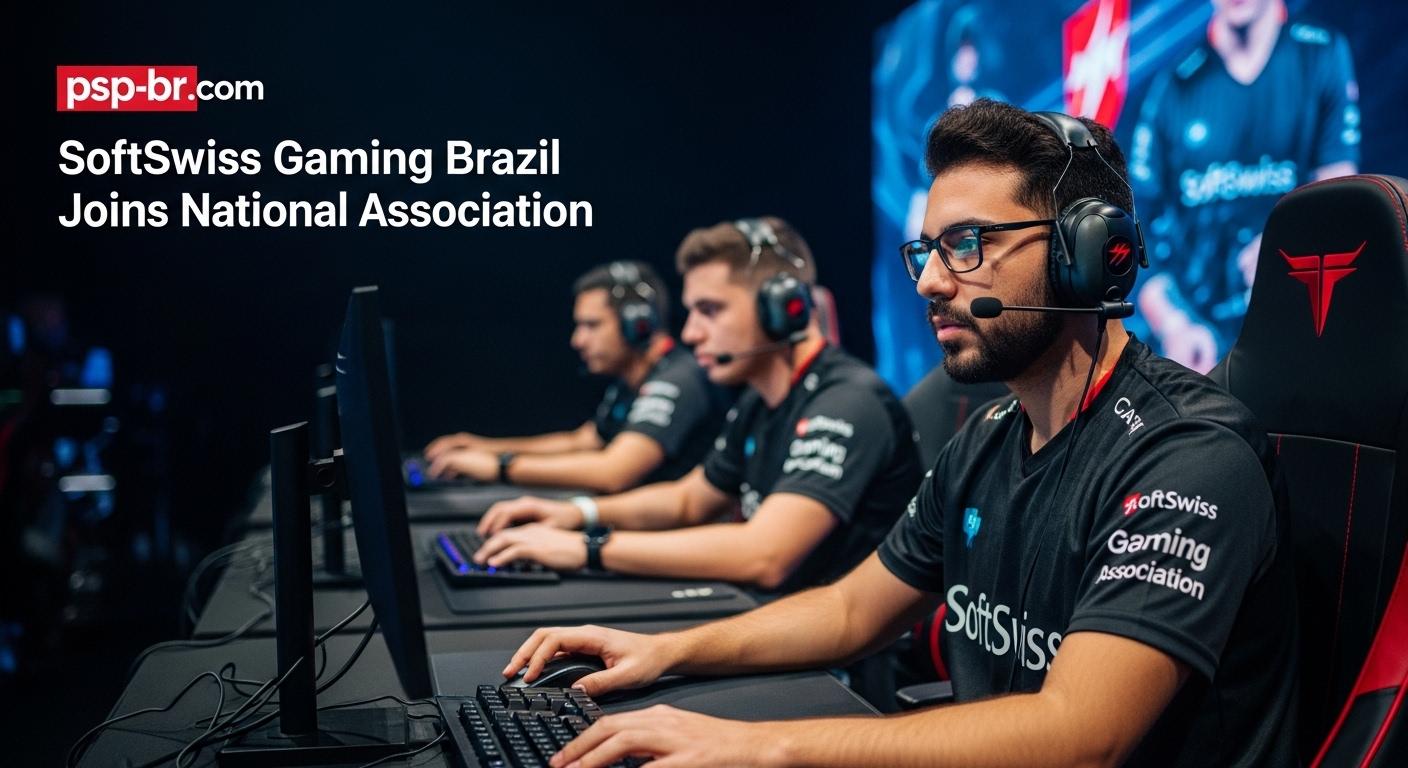
The emergence of formal industry associations and aligned governance can shorten the path from concept to market. The recent move of SoftSwiss joining Brazil’s National Association of Games and Lotteries signals a gravitation toward standardized practices, data protection, and fair-play frameworks that reassure both players and partners. While regulatory specifics vary, the trend suggests clearer guidelines for taxation, digital payments, and consumer protections that matter to Brazilian households during the mid-year period.
Accessibility remains a core concern. Localization extends beyond language to include culturally relevant content, regional pricing, and support channels that respond in local time zones. As the market seeks to reduce friction for new players, policy discussions increasingly emphasize consumer rights and the long-term health of the ecosystem rather than short-term tax advantages for a select segment of the industry.
Competitive landscape and consumer behavior: what players want in 2026
Brazilian players are signaling a preference for titles that blend accessible entry points with long-term playability. Free-to-play experiences with cosmetic monetization and transparent progression continue to attract broad audiences, while cross-play and cross-save support helps keep players within ecosystems that offer Portuguese-language communities. The winter window, with its mix of promotions and seasonal events, becomes a testing ground for new mechanics, localized tutorials, and player-friendly progression curves.
Streamers and content creators play a crucial role in shaping tastes. When a Brazilian streamer highlights a mid-year release, discovery accelerates in a market that values community narratives nearly as much as core gameplay. For developers, the challenge is to meet rising expectations for quality while avoiding high-perceived risk during a period when many households evaluate discretionary spending carefully.
Actionable Takeaways
- Align release planning with the winter Gaming Brazil cycle, prioritizing titles that scale across mobile and desktop and offer Portuguese localization.
- Invest in cross-platform features, local payment methods, and low-data modes to expand reach during mid-year promotional bouts.
- Leverage Brazilian streamers and community creators to build sustainable engagement around seasonal events.
- Adopt fair monetization with transparent progression to appeal to price-sensitive players and maintain long-term retention.
- Plan accessibility backed by local customer support that communicates in Portuguese and accommodates regional connectivity realities.





Deixe um comentário