
“The Evolution of PSP Games: A Look at Notable Releases Over the Years”
Updated: March 16, 2026
The Evolution of PSP Games: A Look at Notable Releases Over the Years
When the PlayStation Portable (PSP) was first introduced by Sony in 2004, it marked a significant milestone in the world of handheld gaming. At a time when portable gaming was dominated by the Nintendo Game Boy, the PSP came onto the scene with its sleek design, superior graphics, and multimedia capabilities, setting a new standard for handheld consoles. This blog post will explore the evolution of PSP games, highlighting some of the most notable releases over the years that have contributed to its enduring legacy.
The Launch of the PSP: A New Era Begins
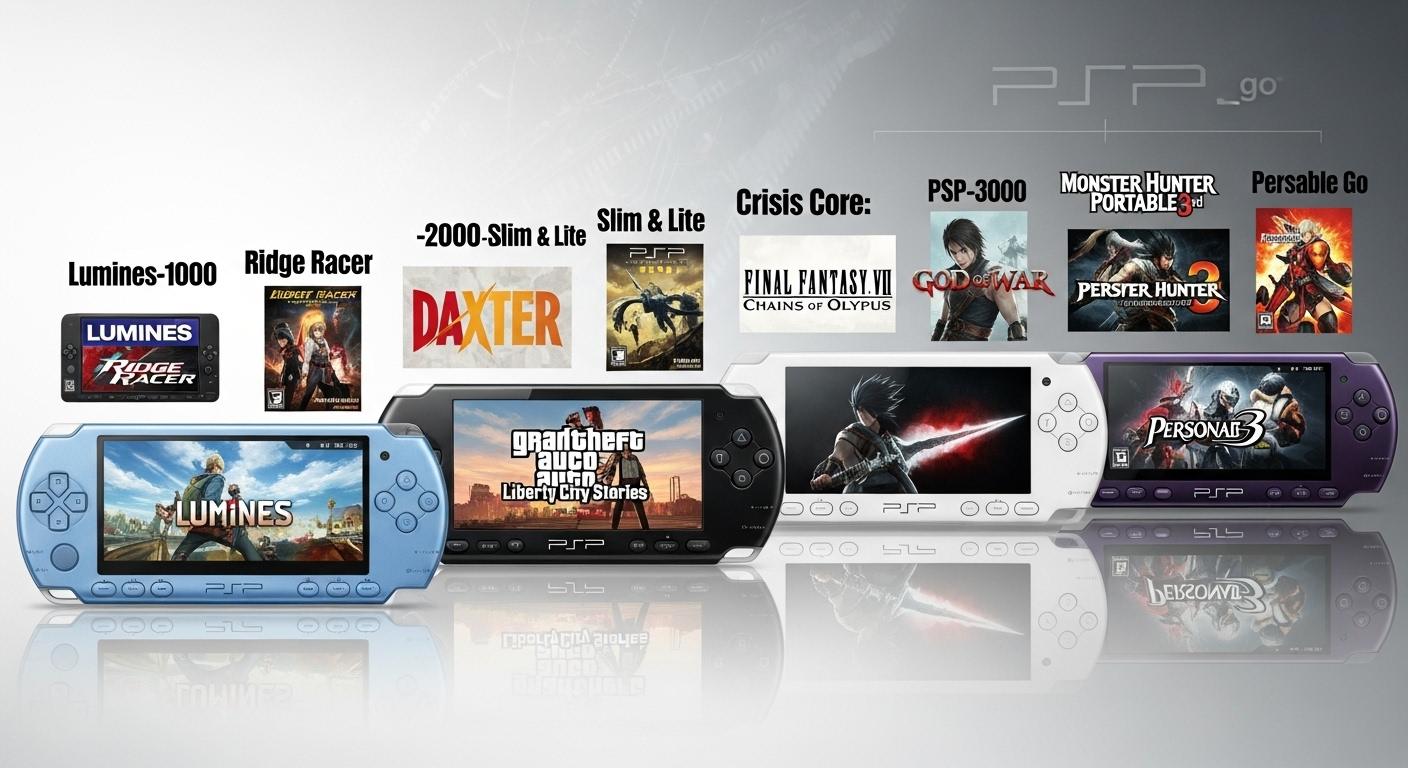
Upon its release, the PSP was heralded for its ability to bring console-quality gaming to a portable device. The console featured a 4.3-inch display and could play games on UMD (Universal Media Disc), a new format developed by Sony. The launch lineup included titles that showcased the PSP’s capabilities, such as “Ridge Racer”, “Lumines”, and “Wipeout Pure”. These games demonstrated the PSP’s ability to handle complex graphics and audio, which were unprecedented for a handheld console at the time.
One of the most significant early releases was “Ridge Racer”, a racing game known for its fast-paced gameplay and stunning visuals. It set the tone for what the PSP could achieve, providing players with a portable experience that felt both novel and familiar.

The Golden Era of PSP Games: 2005-2008
The years following the PSP’s release saw a golden era of game development, with an array of titles that pushed the boundaries of what was possible on a handheld device. “Grand Theft Auto: Liberty City Stories” (2005) was a pivotal release, offering a full-fledged open-world experience that mirrored its console counterparts. This game proved that complex, immersive environments could be successfully translated to a portable system.
Another standout title was “Lumines”, a puzzle game that combined addictive gameplay with a mesmerizing soundtrack. Its success highlighted the PSP’s ability to offer both casual and hardcore gaming experiences.
Innovation and Experimentation: 2009-2011
As developers became more familiar with the PSP’s hardware, a wave of innovation and experimentation began to shape the platform’s library. “Patapon”, released in 2008, was a unique rhythm-based strategy game that captivated players with its distinctive art style and engaging mechanics. This period also saw the release of “Crisis Core: Final Fantasy VII” (2007), a prequel to the iconic RPG that expanded on the universe with a compelling story and dynamic combat system.
During this time, developers also began to experiment with connectivity features. The introduction of the PlayStation Network allowed players to download games directly to their devices, expanding the PSP’s library beyond physical media. This shift paved the way for digital-only titles like “Fat Princess: Fistful of Cake” and “LittleBigPlanet PSP”, which were designed to take advantage of the PSP’s online capabilities.
Notable PSP Exclusives and Legacy
The PSP was home to several exclusive titles that have since become cult classics. “God of War: Chains of Olympus” (2008) and “God of War: Ghost of Sparta” (2010) brought the epic action and mythology of the franchise to handheld gaming, delivering console-quality experiences on the go. These games demonstrated the PSP’s ability to handle high-octane action and deep storytelling.
Another exclusive that garnered critical acclaim was “Metal Gear Solid: Peace Walker” (2010). This title provided a robust single-player campaign and introduced cooperative multiplayer gameplay, showcasing the PSP’s versatility and the potential for complex game design on a portable platform.
The PSP’s Impact on Handheld Gaming
The impact of the PSP on the handheld gaming industry cannot be overstated. It carved out a niche for gamers who desired a more sophisticated, console-like experience in a portable format. The PSP’s success also laid the groundwork for future innovations in handheld gaming, influencing the design and functionality of subsequent consoles like the PlayStation Vita and the Nintendo Switch.
Moreover, the PSP’s ability to play movies, music, and connect to the internet made it a versatile multimedia device, appealing to a broader audience beyond just gamers. This multifunctionality set a precedent for future devices, such as smartphones, which now dominate the portable entertainment market.
Conclusion: The Enduring Legacy of the PSP
In conclusion, the PlayStation Portable was a groundbreaking device that redefined handheld gaming. Its diverse library of games, ranging from action-packed adventures to innovative puzzle titles, showcased the potential of portable gaming systems. Despite being succeeded by more advanced technology, the PSP remains a beloved console among gamers and collectors alike, remembered for its pioneering role in the evolution of handheld entertainment.
For those interested in exploring the PSP’s rich history, there are numerous resources available online that delve deeper into individual game releases and their impact on the gaming industry. The PSP may be a relic of the past, but its influence continues to be felt in the realm of portable gaming and beyond.
The PSP’s Role in Popularizing Remote Play
One of the less frequently discussed yet highly influential aspects of the PSP was its role in popularizing the concept of Remote Play. This feature allowed players to connect their PSP to a PlayStation 3 console, enabling them to stream games and media content directly to their handheld device. While initially limited in functionality, Remote Play demonstrated the potential for interconnected gaming ecosystems, a concept that has since become standard with modern gaming consoles and cloud gaming services.
Today, Remote Play has evolved considerably, with platforms like PlayStation Now and Xbox Cloud Gaming offering comprehensive solutions for streaming games across multiple devices. However, the seeds of this innovation were planted with the PSP, underscoring its importance as a pioneer in the field.
Challenges and Competition: The PSP’s Struggle
Despite its many innovations, the PSP faced significant challenges during its lifecycle. The primary competition came from the Nintendo DS, which offered a different gaming experience with its dual-screen design and stylus controls. The DS’s focus on casual gaming and innovative titles like “Brain Age” and “Nintendogs” captured a broad audience, making it a formidable rival.
Moreover, the PSP’s reliance on UMDs posed logistical challenges. While the format allowed for high-capacity storage, it was also more cumbersome compared to the DS’s cartridges. Additionally, the rising trend of digital distribution highlighted limitations in the PSP’s design, particularly as storage capacities and download speeds increased.
The Decline and Transition to PlayStation Vita
As the PSP aged, the transition to its successor, the PlayStation Vita, became inevitable. Announced in 2011, the Vita promised enhanced graphics, a multi-touch display, and rear touchpad controls, aiming to address some of the PSP’s shortcomings. Although the Vita did not achieve the same level of success as its predecessor, it continued the legacy of innovation in portable gaming.
The PSP’s decline was also influenced by the rapid rise of smartphones and mobile gaming. As devices like the iPhone and Android smartphones gained traction, they offered convenient gaming experiences without the need for dedicated hardware. This shift in consumer preferences highlighted the challenges faced by traditional handheld consoles in adapting to a rapidly changing market landscape.
Reflections on the PSP’s Cultural Impact
The cultural impact of the PSP extends beyond gaming. It provided a platform for a generation of gamers to experience high-quality entertainment on the go, fostering a sense of community among players who shared a love for portable gaming. The PSP also inspired creative endeavors, with modding communities and homebrew developers pushing the system’s capabilities in unexpected ways.
Through its diverse library of games and multimedia functionality, the PSP left an indelible mark on the gaming industry. Its influence can be seen in the design of modern handheld consoles and the integration of gaming features in everyday devices. The PSP’s legacy is a testament to the power of innovation and the enduring appeal of portable gaming.
Final Thoughts: The Enduring Influence of the PSP
In retrospect, the PSP was more than just a gaming console; it was a trailblazer that changed the way people approached portable entertainment. Its pioneering features, such as Remote Play and multimedia support, anticipated trends that are now commonplace in the gaming world. While the PSP’s time in the spotlight has passed, its spirit lives on in the devices and innovations that continue to shape the future of gaming.
For enthusiasts and collectors, the PSP remains a cherished part of gaming history. Its contributions to the evolution of handheld consoles and its role in expanding the possibilities of portable gaming are celebrated by gamers around the world. As we look back on the PSP’s journey, it’s clear that this iconic device has secured its place in the annals of gaming history, leaving a legacy that will be remembered for years to come.