
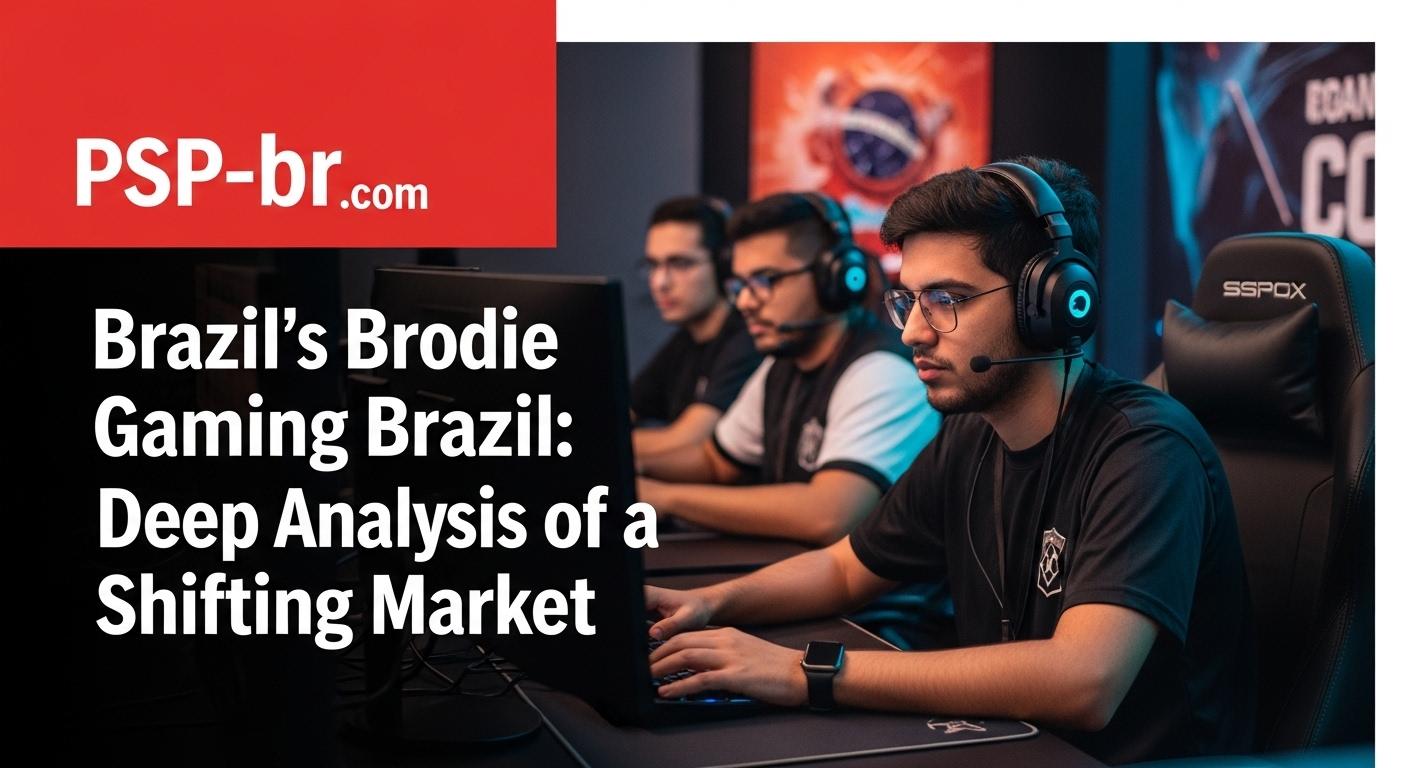
Across Brazil’s crowded gaming and streaming landscape, brodie Gaming Brazil has emerged as a touchstone for how players, developers, and sponsors navigate a market defined by rapid device adoption, local-language content, and irregular regulatory signals. This piece offers a deep, analytically driven view of how sponsorship dynamics, tax policy, and platform rules are reshaping access to games, tournaments, and creator livelihoods. By linking macro trends to the daily realities of players and teams, the article sketches scenarios for the near future, including potential shifts in sponsorship structures, monetization, and audience engagement that Brazilian gamers should watch closely.
Context and Market Dynamics
Brazil’s gaming market continues to expand, powered by mobile-first audiences, vibrant local-language content, and a thriving ecosystem of publishers, streamers, and community leaders. Mobile devices remain the gateway to gaming for millions, while PC and console titles carve niche audiences in major cities. Streaming platforms in Brazil have accelerated this year, with fans watching live matches, speedruns, and developer diaries in the same feed where they purchase digital goods or subscribe to creators. The result is a hybrid economy: sponsorships and brand partnerships fund tournaments and content creation, while in-game purchases and platform fees supplement creator incomes. Yet this growth is uneven. Regional disparities, currency fluctuations, data costs, and availability of reliable broadband influence who can participate, what titles gain traction, and where sponsorship money lands. For brands, the challenge is to translate a national story into local campaigns that feel authentic to a Brazilian audience, rather than import a template built for another market. In this environment, the figure of a Brazilian creator who can bridge communities—such as brodie Gaming Brazil—becomes more valuable because they can translate global mechanics into locally resonant formats.
Beyond sheer numbers, the market is being shaped by the way audiences value authenticity and accessibility. Localized content—content in Portuguese, anchored in Brazilian culture, and mindful of regional internet realities—drives engagement more than misaligned cross-border campaigns. In that sense, the Brazilian ecosystem rewards creators who combine technical skill with a nuanced understanding of community norms. The broader implication for investors and brands is not simply to sponsor tournaments, but to sponsor long-term, co-created experiences that persist between major events and game updates. brodie Gaming Brazil embodies this kind of approach by acting as a translator between global game ecosystems and Brazilian viewer expectations, which increasingly rely on relatable personalities and culturally resonant formats.
Streaming Personalities and Local Audiences
The Brazilian streaming scene is defined by language, culture, and community rituals. Viewers favor content that speaks directly to their daily lives—game playlists that mix competitive play with educational streams, casual vlogs, and music breaks. Creators who can straddle platforms—Twitch, YouTube, and emerging Brazilian networks—build diversified revenue streams through sponsorships, affiliate deals, merch, and direct fan support. In this context, brodie Gaming Brazil serves not only as entertainment but as a contextual bridge: they help brands interpret Brazilian jokes, memes, and social cues into campaigns that feel earned, not imposed. As audiences grow more discerning, sustainable partnerships hinge on long-term alignment rather than one-off placements. For developers and publishers, the lesson is to design campaigns that offer recurring value—season-long bundles, localized tournaments, and content that can be repurposed across Brazilian communities.
Localization is not merely translation; it is format adaptation. A campaign that works in a Spanish-speaking market may not land in Brazil unless it respects local streaming rhythms, scheduling norms, and the types of content audiences expect from a Brazilian creator. This means co-developing content with creators, offering access to beta tests, and allowing room for community-driven feedback loops. When brands invest in this way, they tend to see more durable engagement, higher retention across campaigns, and a more resilient creator ecosystem that can weather shifting algorithms and platform changes. In short, the health of the Brazilian gaming market increasingly depends on creators who can synthesize global content and local culture into sustainable, repeatable experiences—an alignment that brodie Gaming Brazil is well positioned to exemplify.
Regulatory and Sponsorship Trends in Brazil
Regulatory and tax frameworks in Brazil have grown more complex for sponsorship-based revenue. Brands must navigate advertising rules, broadcast rights, and tax implications that shape how sponsorships are structured and reported. This tightening environment has coincided with a cautious approach from advertisers, who increasingly demand measurable ROI, transparent reporting, and clear creative guidelines. In sports and betting sectors, a related trend is observable: sponsorships have declined amid regulation and higher taxes, not only limiting immediate spend but encouraging more careful, performance-based partnerships. While the gaming and esports market is distinct from traditional betting, the same logic applies: sponsors want verified reach, audience quality, and predictable outcomes. Brazilian players, teams, and streamers thus find themselves negotiating longer-term deals that prioritize consistency over flash, and content that sustains engagement between major events.
Policy momentum in Brazil also reflects broader debates about digital commerce, data localization, and sponsorship disclosures. For teams and publishers, this means building compliance into contract templates, not as a bolt-on after the fact. It also means communicating with audiences about how sponsorships work—clarifying when a stream is sponsored, and what that sponsorship means for the content. As these regulatory currents continue to evolve, the most resilient players will be those who plan campaigns with modular content, transparent disclosures, and flexible delivery windows that can accommodate sudden regulatory shifts without eroding trust.
Actionable Takeaways
- For players and creators: diversify income streams beyond ad revenue, participate in official events, read contracts carefully, preserve rights to content, and build audiences across multiple platforms to mitigate changes in any single network.
- For developers and studios: invest in localized campaigns, partner with Brazilian creators for co-produced content, design tournaments with clear broadcasting rights, and provide assets that creators can reuse across formats.
- For brands and sponsors: align campaigns with Brazilian rules and cultural context, adopt tiered sponsorship models, set clear metrics, and commit to long-term partnerships that yield meaningful, trackable engagement.
- For platforms and broadcasters: reduce barriers to entry for new creators, offer transparent monetization terms, and support mentorship or training programs that help sustain local ecosystems.
- For policymakers and regulators: consider streamlined sponsorship guidelines and tax policies that recognize the digital nature of modern gaming while protecting consumer interests and market integrity.


Deixe um comentário