
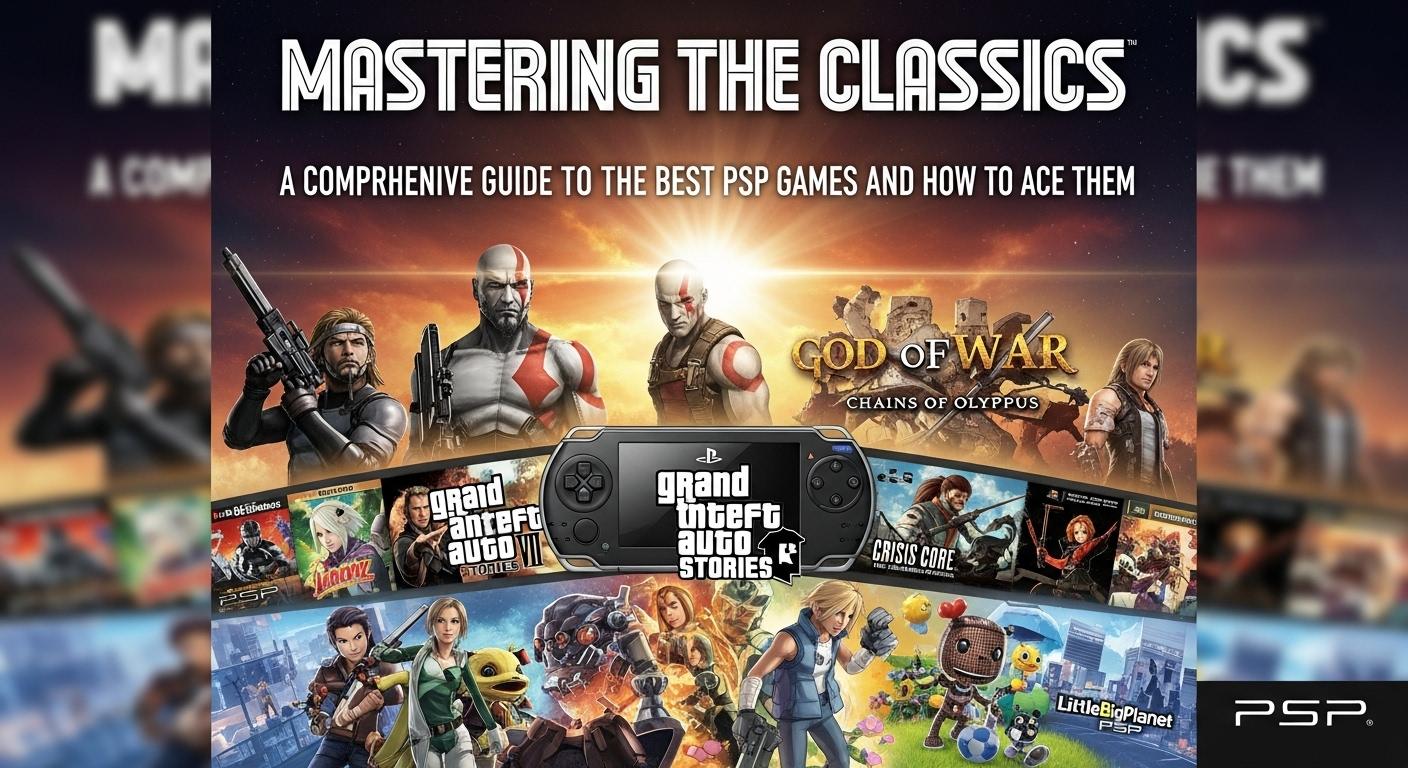
In Brazil, where handheld gaming has found a dedicated, evolving audience, brodie Gaming Brazil presents a practical lens on how PSP-era nostalgia collides with modern digital ecosystems.
PSP’s foothold in Brazil: market dynamics and retro appeal
The PSP first arrived with a promise of portable access to a wide library, but its long tail in Brazil depends on local economics, secondhand markets, and the enduring appeal of compact gaming. A practical reading starts with price sensitivity: handheld devices are often accessed through used units or bundled with memory cards, which lowers the barrier to entry for curious players who already own smartphones. In many urban centers, retro gaming nights and informal LANs keep the device relevant, even as new devices flood the market. The causality chain is clear: if price and accessibility align, players will experiment with PSP titles, unlock emulation options, and share recommendations within friend circles. Local stores and online communities step in as curators, turning a once-forgotten device into a living hub for nostalgia and offlining experiences. The effect is not simply historical; it redefines how Brazilian gamers value portability and shared experiences in a hyper-connected world.
Gamer behavior and monetization in a mobile-first environment
Even as mobile games dominate the attention of Brazilian players, PSP holds a special place for a subset of users seeking tactile control and a curated library. The analysis suggests that this group is drawn to durable hardware, physical controls, and a curated collection of titles rather than always chasing the latest release. Monetization, in this context, leans on resale value, collector culture, and the flexibility to play offline. Developers and retailers who angle toward this cohort often emphasize compatibility with physical cartridges and memory upgrades, preserving a sense of ownership that digital-only ecosystems seldom provide. The cause-effect chain here is subtle: a healthy PSP ecosystem creates micro-communities that trade tips on emulation settings, cartridge compatibility, and battery optimization, thereby sustaining engagement beyond the life cycle of contemporary handhelds. This dynamic offers a useful framework for brodie Gaming Brazil as it considers content partnerships, local events, and audience segmentation within a market where nostalgia meets pragmatism.
Platform fragmentation, localization, and community-led content
Brazilian players benefit from community-driven content that translates and localizes classic titles, with fan-made patches, language options, and guides that reduce friction for first-time emulation trials. Fragmentation—between hardware revisions, firmware versions, and unofficial stores—presents both risk and opportunity. A practical strategy involves partnering with local hobby shops and cybercafes to host PSP-focused events, while ensuring that localized guides and legal disclaimers are clear. Localization here means more than language: it means delivering culturally resonant packaging, accessible manuals, and support for common Brazilian internet constraints like intermittent connectivity in some areas. The result is a more resilient ecosystem that sustains interest, even as new devices draw attention elsewhere. For brodie Gaming Brazil, the takeaway is to emphasize actionable, in-language resources and to highlight community success stories that demonstrate value beyond mere novelty.
Scenario framing: three plausible futures for PSP in Brazil
1) Slow-burn renaissance: PSP remains a niche but steady presence, supported by retro gaming clubs, offline emulation, and curated retail bundles. 2) Hybrid nostalgia-meets-mobile: PSP titles proliferate through downloadable compilations that respect offline play but leverage modern storefronts for easy access. 3) Decline without adaptation: as hardware ages, scarcity increases and the market tilts toward complete digital ecosystems, with only a handful of hardcore collectors keeping the platform alive. Across these scenarios, the macro drivers are clear: the value proposition depends on accessibility, community validation, and credible content curation. For brodie Gaming Brazil, the prudent path is to map these scenarios against regional events, such as gaming conventions and school-year calendars, to identify windows for engagement and partnerships that capitalize on nostalgia while delivering practical, portable experiences.
Actionable Takeaways
- Monitor price and availability of used PSP hardware in major Brazilian metros to forecast adoption curves.
- Build localized guides in Portuguese that cover emulation, cartridge compatibility, and battery optimization.
- Partner with local retro gaming venues to host PSP-focused events and product showcases.
- Experiment with offline-friendly bundles and memory-card promotions to sustain engagement without constant internet reliance.
- Publish regular analyses showing how nostalgia can translate into practical, portable gaming experiences for brodie Gaming Brazil’s audience.
Source Context
The following sources informed the framing of this analysis and offer broader context on global sports and gaming coverage:




Deixe um comentário