
Brazilian Gaming Landscape: marcus Gaming Brazil and the New Era
Across Brazil’s dynamic gaming ecosystem, marcus Gaming Brazil has emerged as a focal point for market analysis, influencer-driven discourse, and strategy among developers and platform partners. The Brazilian audience, the patterns of consumer spend, and the rapid expansion of mobile-first play shape a landscape where content creators, esports teams, and local studios converge around a shared ambition: deliver culturally resonant experiences at scale. This analysis examines how the market arrived at this moment, what sustains its momentum, and which scenarios could redefine it in the next 18 months.
Market Pulse in Brazil
Brazil remains the largest gaming market in Latin America, with mobile gaming fueling most growth. Device affordability, data penetration, and a young, digitally native population push engagement across free-to-play titles and social features. Publishers lean on localized content and flexible monetization to reach a diverse audience that spans major metropolitan centers and smaller urban hubs. While console and PC play retain a dedicated core, the revenue mix increasingly reflects mobile’s grip, with publishers experimenting with new business models—season passes, time-limited events, and partnerships with telecoms to bundle access. The effect is a market that expands not just in players but in monetizable activity: in-game advertising, influencer collaborations, and creator-led distribution amplify reach beyond traditional storefronts. Marcus Gaming Brazil, as a reference point for industry conversation, often highlights the way creator ecosystems drive retention and lower customer acquisition costs in this environment.
Platforms, Players, and Content
Platform fragmentation is a feature, not a bug. Android dominates device share; iOS remains a smaller but competitive segment among higher-income households and urban centers. The streaming and video landscape matured with a generation of Brazilian creators who produce tutorials, live play, and opinion content in Portuguese. This content ecosystem shapes consumer preferences, drives community formation, and creates demand for localized game releases and in-app events. Publishers tailor onboarding and monetization for local audiences, using social features, rewards, and regional events to sustain engagement. Accessibility and language support are now de facto gatekeepers for mainstream adoption, while cross-platform play and cloud-based features begin to blur the lines between mobile and PC experiences.
Esports, Creator Culture, and Community
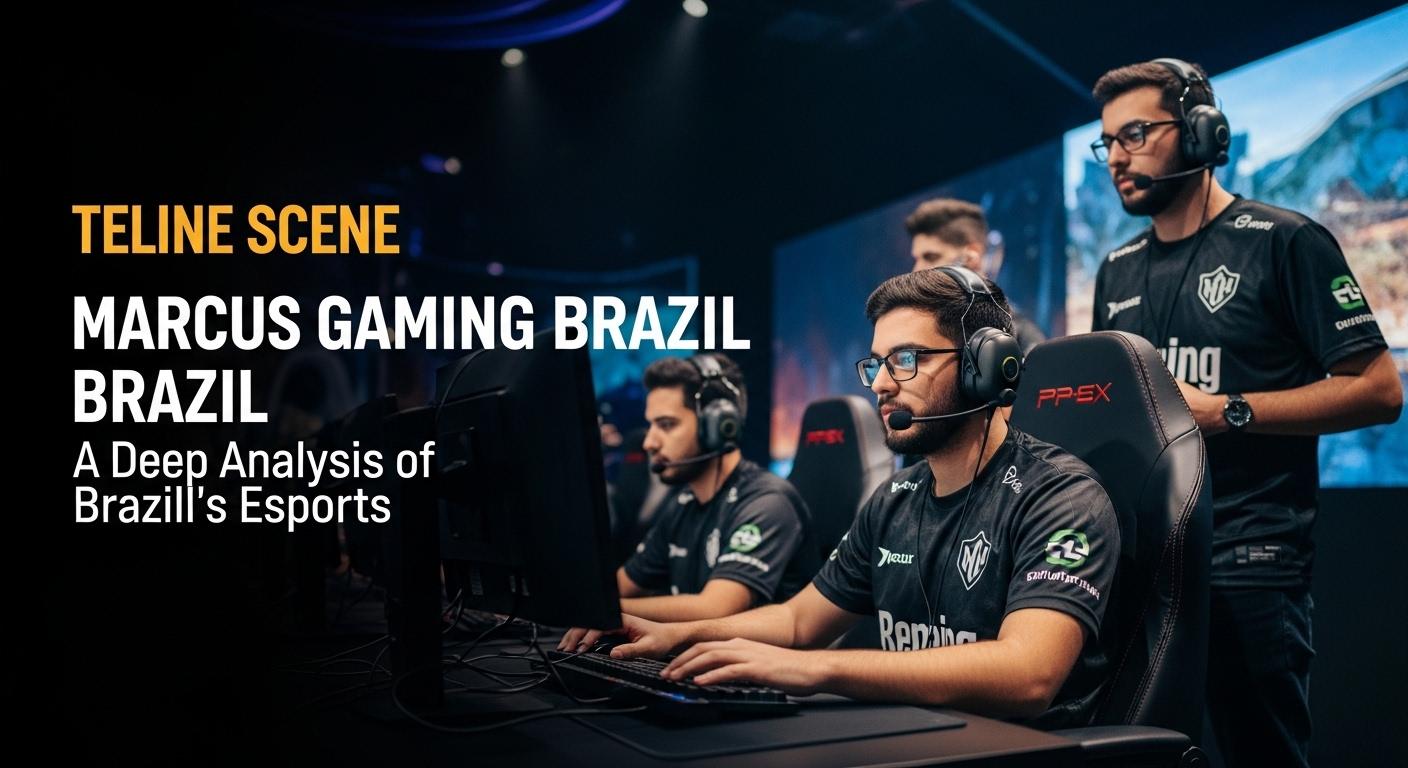
Esports infrastructure is expanding, from city-level leagues to university circuits and grassroots tournaments that attract sponsors seeking authentic engagement. Streaming platforms host a steady stream of Brazilian talent, with teams leveraging sponsorships, content partnerships, and fan-led communities to monetize exposure. The marcus Gaming Brazil brand enters here as a representative of how local pundits and creators shape public discourse, translating complex development and publishing decisions into accessible narratives for fans. However, the growth carries risks: market fragmentation, over-saturation in popular genres, and dependence on a few big streamers can skew opportunity. Prudent organizers diversify genres, invest in training and data analytics, and cultivate local talent to sustain a broad-based ecosystem.
Policy, Investment, and the Road Ahead
Policy and investment shape the velocity of Brazil’s gaming ascent. Tax incentives, import duties on hardware, and data privacy requirements can either accelerate or complicate market entry for developers and hardware partners. Public-private programs that connect universities, incubators, and publishers help translate creative output into local employment and export potential. Infrastructure improvements—fiber expansion, 5G deployment, and affordable data plans—remove friction for daily gaming and streaming. For observers, the near-term watch items include the pace of local studio funding rounds, the depth of consumer data protection enforcement, and the degree to which large platforms partner with Brazilian creators to localization and distribution. In this climate, marcus Gaming Brazil remains a useful barometer for how industry narratives shift in response to policy signals and market demand.
Actionable Takeaways
- Publishers should localize content for Brazilian audiences, including language, payment options, and culturally resonant themes that align with regional tastes.
- Developers should diversify monetization models and actively partner with local creators to extend reach and retention.
- Platforms should invest in creator support, data transparency, and explore telecom bundle collaborations to reduce onboarding barriers.
- Policymakers should streamline favorable tax regimes for game development and prioritize digital infrastructure to support streaming and online play.
- Investors should seek mobile-first IP opportunities with scalable cross-border potential and strong local execution teams.
Source Context
Actionable Takeaways
- Track official updates and trusted local reporting.
- Compare at least two independent sources before sharing claims.
- Review short-term risk, opportunity, and timing before acting.