
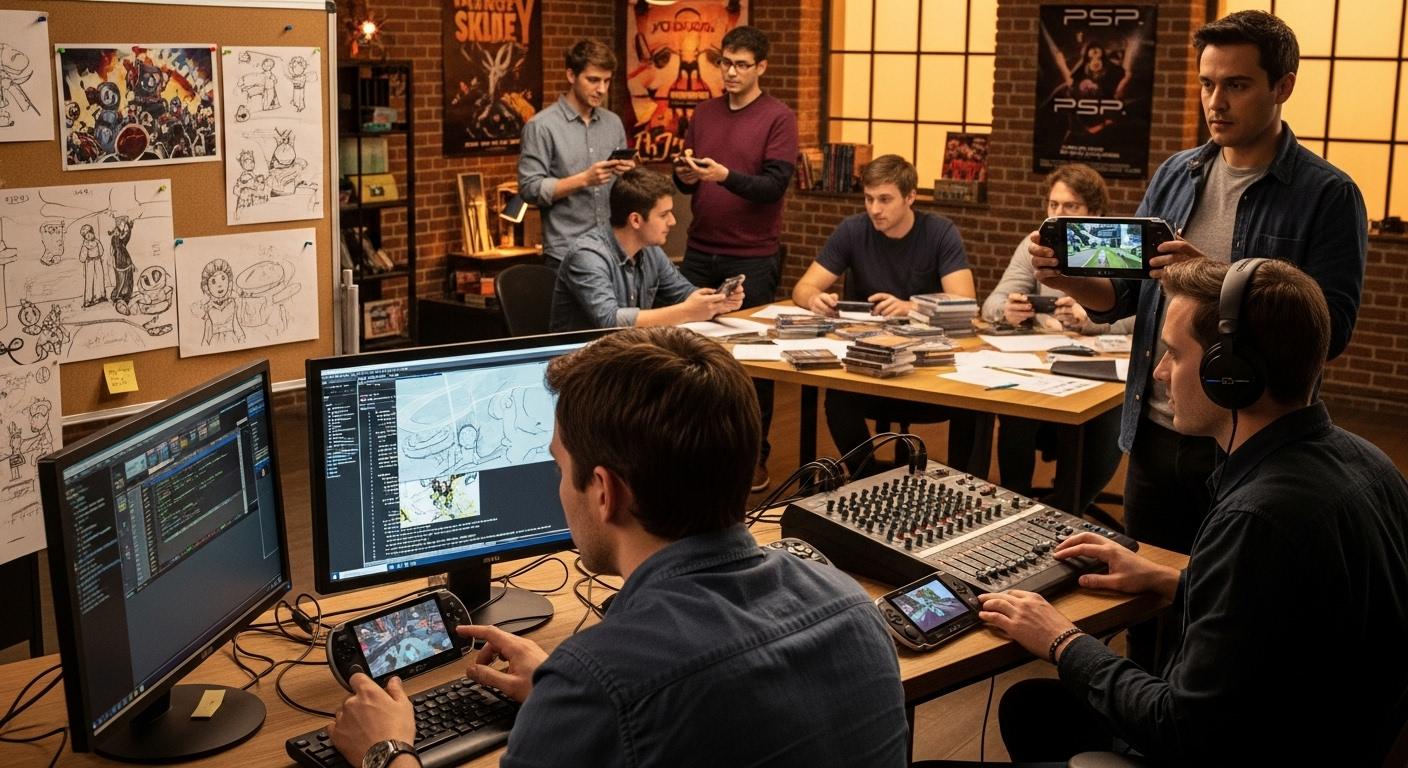
Behind the Scenes: The Making of Popular PSP Game Releases
The PlayStation Portable (PSP), a handheld gaming console developed by Sony, revolutionized the gaming landscape upon its release in 2004. With its powerful hardware, multimedia capabilities, and a library of compelling games, the PSP quickly became a favorite among gamers worldwide. But what goes into creating the games that captivate millions? In this post, we’ll delve into the intricate process of developing popular PSP game releases, exploring each stage of development, the challenges faced, and the creative minds behind these titles.
The Conceptualization Stage
Every great game begins with a groundbreaking idea. The conceptualization stage is where developers brainstorm and define the game’s core elements—storyline, characters, gameplay mechanics, and overall theme. This phase often involves a collaborative effort between designers, writers, and artists who work together to bring the initial vision to life.
For instance, take the development of “God of War: Chains of Olympus”, a popular PSP game. The developers at Ready at Dawn Studios focused on creating a prequel that complemented the main series on PlayStation consoles. They spent significant time ensuring that the storyline was engaging and fit seamlessly into the existing God of War narrative. This attention to detail in the conceptualization stage was crucial in crafting a game that resonated with fans.
Design and Development

Once the concept is established, the design and development phase begins. This is where game developers turn ideas into a tangible product. It involves creating the game’s architecture, coding the mechanics, and designing the graphics. During this process, developers often use powerful game engines and software to build and test different components of the game.
The PSP’s hardware capabilities posed unique challenges and opportunities for developers. With its 32-bit MIPS processor and GPU capable of rendering 3D graphics, developers had to optimize their games to run smoothly on the platform. This required innovative solutions and creative problem-solving.
For example, the development of “Jeanne d’Arc” by Level-5 involved creating an intricate tactical role-playing game that leveraged the PSP’s abilities. Developers had to balance complex gameplay mechanics with the limitations of the handheld device, ensuring that players experienced a seamless and engaging gaming experience.
Sound and Music Production
Sound and music play a pivotal role in creating an immersive gaming experience. The audio team is responsible for composing the game’s soundtrack, designing sound effects, and integrating voice acting. These elements enhance the emotional depth and atmosphere of the game.
Consider the impact of music in the “Crisis Core: Final Fantasy VII”. The game’s composer, Takeharu Ishimoto, crafted a soundtrack that resonated with the series’ fans while introducing new themes that matched the game’s tone. The result was an auditory experience that enriched the narrative and heightened the emotional impact of key moments.
Testing and Quality Assurance
Before a game can be released, it must undergo rigorous testing to ensure that it is free of bugs and provides a smooth user experience. The testing phase involves multiple rounds of quality assurance (QA), where testers play through the game, identifying and reporting any issues.
This stage is crucial, as even minor bugs can disrupt gameplay and detract from the player’s experience. Developers must address these issues promptly, often requiring them to revisit and refine various aspects of the game. For instance, the team behind “Metal Gear Solid: Peace Walker” invested significant time in QA to ensure that the stealth mechanics and storyline were polished to perfection, leading to a critically acclaimed release.
Marketing and Release
After development and testing, the game is ready for release. However, a successful launch requires strategic marketing to generate excitement and reach the target audience. This involves crafting captivating trailers, engaging with the gaming community, and leveraging media platforms to build anticipation.
Marketing efforts for PSP games often included demos and previews at gaming expos, exclusive interviews with developers, and collaborations with gaming magazines. These strategies helped to create a buzz around the release, attracting both new players and long-time fans.
Post-Release Support
The journey doesn’t end with the game’s release. Post-launch support is vital for maintaining player engagement and addressing any unforeseen issues. Developers often release patches, updates, and downloadable content (DLC) to enhance the game and extend its lifespan.
For example, following the release of “Final Fantasy Tactics: The War of the Lions”, Square Enix continued to support the game with updates that improved gameplay and added new features. This commitment to post-release support ensured that the game remained popular long after its initial launch.
Takeaways
The making of popular PSP games is a complex and multifaceted process that requires creativity, technical expertise, and a deep understanding of the gaming industry. From the initial concept to post-release support, every stage of development is crucial in bringing a game to life. The dedication and passion of developers are evident in the quality and success of the games they produce, leaving a lasting impact on players and the gaming community.
As technology continues to evolve, the legacy of the PSP and its remarkable game releases continue to inspire new generations of gamers and developers. Understanding the behind-the-scenes efforts that go into creating these games not only enhances our appreciation for them but also highlights the incredible talent and innovation driving the gaming industry forward.
The Legacy of PSP Game Development
The PSP era marked a pivotal point in handheld gaming, showcasing the potential of portable devices to deliver console-quality experiences. The development techniques and innovations pioneered during this time have had a lasting influence on the gaming industry, setting standards for future handheld and mobile game development.
One of the key legacies of PSP game development is the emphasis on optimizing performance for portable hardware. Developers learned to maximize limited resources, a skill that became invaluable with the rise of mobile gaming. Techniques such as efficient coding, resource management, and creative problem-solving are now standard practices in the industry.
Influence on Modern Game Development
Many developers who worked on PSP games have transitioned into roles within major studios, bringing their expertise and experiences to new projects. The lessons learned from PSP development have influenced a wide range of modern games, particularly those on platforms like the Nintendo Switch and smartphones.
For instance, the success of “Monster Hunter: World” can be traced back to Capcom’s experience with the Monster Hunter series on PSP. The developers refined gameplay mechanics and learned to create engaging multiplayer experiences on a portable device, skills they then applied to their later, more ambitious projects.
The Community and Cultural Impact
The PSP also fostered a vibrant community of gamers and developers who shared a passion for portable gaming. Online forums, fan sites, and conventions provided spaces for enthusiasts to connect, share tips, and celebrate their favorite games. This community played a significant role in the popularity of PSP games and contributed to their enduring legacy.
Culturally, PSP games introduced many players to new genres and storytelling styles, broadening the scope of what handheld games could achieve. Titles like “Patapon” and “LocoRoco” offered unique artistic experiences that challenged the traditional notions of gaming, paving the way for more experimental and diverse titles on today’s gaming platforms.
Challenges and Overcoming Limitations
While the PSP was ahead of its time in many ways, developers had to overcome various challenges to create successful games. The hardware limitations meant that not all features found in console games could be replicated on the PSP. Developers had to innovate to deliver engaging experiences without relying on cutting-edge graphics or processing power.
One notable example is the development of “Daxter” by Ready at Dawn Studios. The team had to creatively use the PSP’s hardware to bring a high-quality platformer to life. They implemented advanced rendering techniques and optimized textures to ensure a visually appealing game that ran smoothly on the PSP.
The Future of Portable Gaming
As we look to the future, the lessons from PSP game development continue to inform the evolution of portable gaming. Today’s game developers face new challenges in an ever-changing technological landscape, but the foundational skills honed during the PSP era remain vital.
The popularity of gaming on smartphones and tablets demonstrates that there is still a strong demand for portable gaming experiences. Developers are now tasked with creating games that can captivate players on the go, offering rich narratives and immersive worlds within the constraints of mobile hardware.
In conclusion, the making of popular PSP games not only defined a generation of handheld gaming but also left an indelible mark on the broader gaming industry. The dedication, creativity, and innovation exhibited by developers during this era continue to inspire and influence the games we enjoy today, ensuring that the legacy of the PSP lives on in every handheld game we play.





Deixe um comentário