
Marcus Gaming Brazil: A Deep Analysis of Brazil’s Esports
Updated: April 20, 2026
Across Brazil’s fast-evolving gaming landscape, marcus Gaming Brazil has become a touchstone for how brands, teams, and platforms converge to shape audience behavior, sponsorship models, and local production. The label signals more than a marketing gimmick; it frames a bottom-up dynamic where players, streamers, and developers push for local-first content while seeking partnerships that unlock scale in a market where mobile play dominates.
Market Dynamics Under a Brazilian Spotlight
Brazil’s gaming economy has shifted from a nascent scene into a bustling hub where mobile devices carry the bulk of engagement, and live events increasingly draw nationwide attention. The growth is amplified by streamers who convert viewing into participation, from battle arenas to creator studios, turning fan chatter into measurable sponsorship value. In this environment, marcus Gaming Brazil functions not only as a brand cue but as a signal to investors and publishers that there is an organized, audience-driven path to scale that aligns with the country’s digital infrastructure and consumer appetite for local content.
Sponsored content, partnerships with mobile carriers, and regional distribution agreements have become the practical lingua franca of growth. Yet the market’s incentive structure remains sensitive to policy shifts around microtransactions, loot systems, and age verification. The result is a cautious but tangible acceleration: brands seek durable relationships with players and teams, while developers prioritize Brazilian IP that resonates with local communities. The shaping question is whether these dynamics are sustainable beyond marketing cycles, or if they require structural investments in local talent pipelines and infrastructure that outlast individual campaigns.
Players, Teams, and the Local Ecosystem
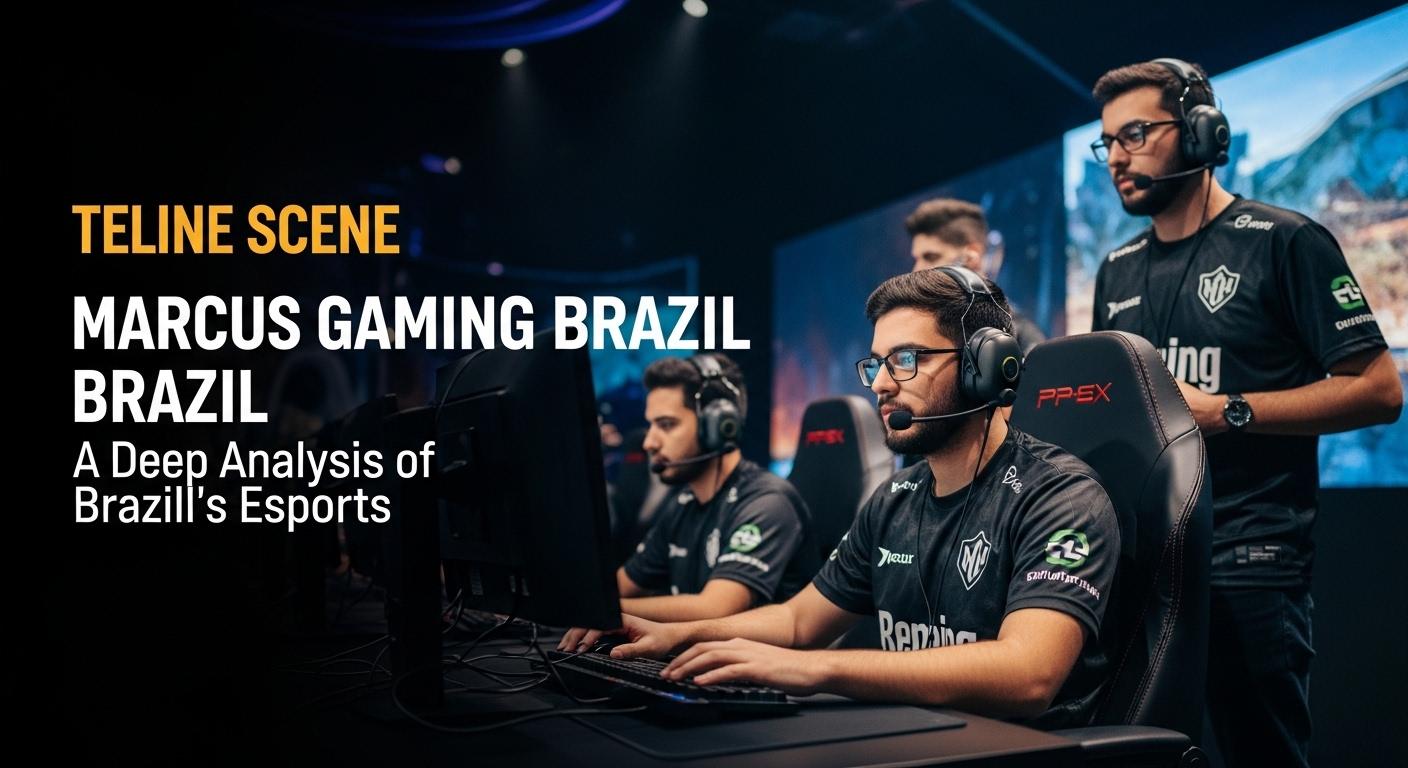
Brazil’s esports ecosystem is increasingly populated by a new generation of players, teams, and content creators who monetize through streaming, sponsorships, and regional tournaments. The rise of local academies and school-level clubs is creating a pipeline that translates raw talent into professional potential, while fans gain a sense of ownership over teams and personalities that reflect their communities. In this context, the marcus Gaming Brazil branding acts as a rallying point that helps fans recognize legitimate pathways to recognition, both on screens and in stadium-like venues where live audiences fuel engagement metrics that matter to sponsors.
Community-driven events, grassroots leagues, and regional qualifiers are increasingly paired with mainstream broadcasts, enabling a feedback loop where success stories from one city can inspire youth in another. The branding also encourages content creators to diversify formats — from in-depth analysis streams to short-form clips — which broadens reach and reinforces a durable fan base. The question for teams and organizers is how to sustain momentum when sponsorship cycles shift or when global publishers recalibrate their regional investments.
Technology, Accessibility, and Regulation
Technical access in Brazil has improved notably with broader 4G/5G coverage and higher bandwidth availability, which lowers the cost and friction of high-quality streams. This environment benefits marcus Gaming Brazil by enabling consistent, localized content that can scale rapidly via online platforms. On the payment and monetization front, localizing wallets, in-game purchases, and regional pay methods reduces churn and improves conversion for small- to mid-market publishers striving to capture a broader audience. However, infrastructure improvements do not remove regulatory headwinds: data privacy, anti-cheat enforcement, and consumer protection rules can influence how tournaments are organized, how streaming rights are bought and sold, and how sponsorships are structured. Practically, operators must plan for continuity across regulatory changes while investing in fair-play technologies, transparent governance, and audience-first content moderation to maintain trust and long-term participation in the ecosystem.
Actionable Takeaways
- Adopt a local-first content strategy under marcus Gaming Brazil to maximize fan engagement and sponsor interest.
- Partner with mobile networks and local payment providers to reduce friction for new players and streamers.
- Invest in anti-cheat measures and transparent governance to sustain long-term ecosystem health and trust among fans and sponsors.
- Support grassroots tournaments and creator programs to identify talent and diversify revenue streams across regions.
- Monitor regulatory developments and build flexible structures that can adapt to taxation, data privacy, and consumer-protection changes.
- Localize streaming experiences with Portuguese-language content, subtitles, and culturally resonant narratives to deepen audience loyalty.
Source Context
The following sources provide context on leadership moves, market coverage, and Brazil’s esports discourse as it intersects with branding such as marcus Gaming Brazil.