

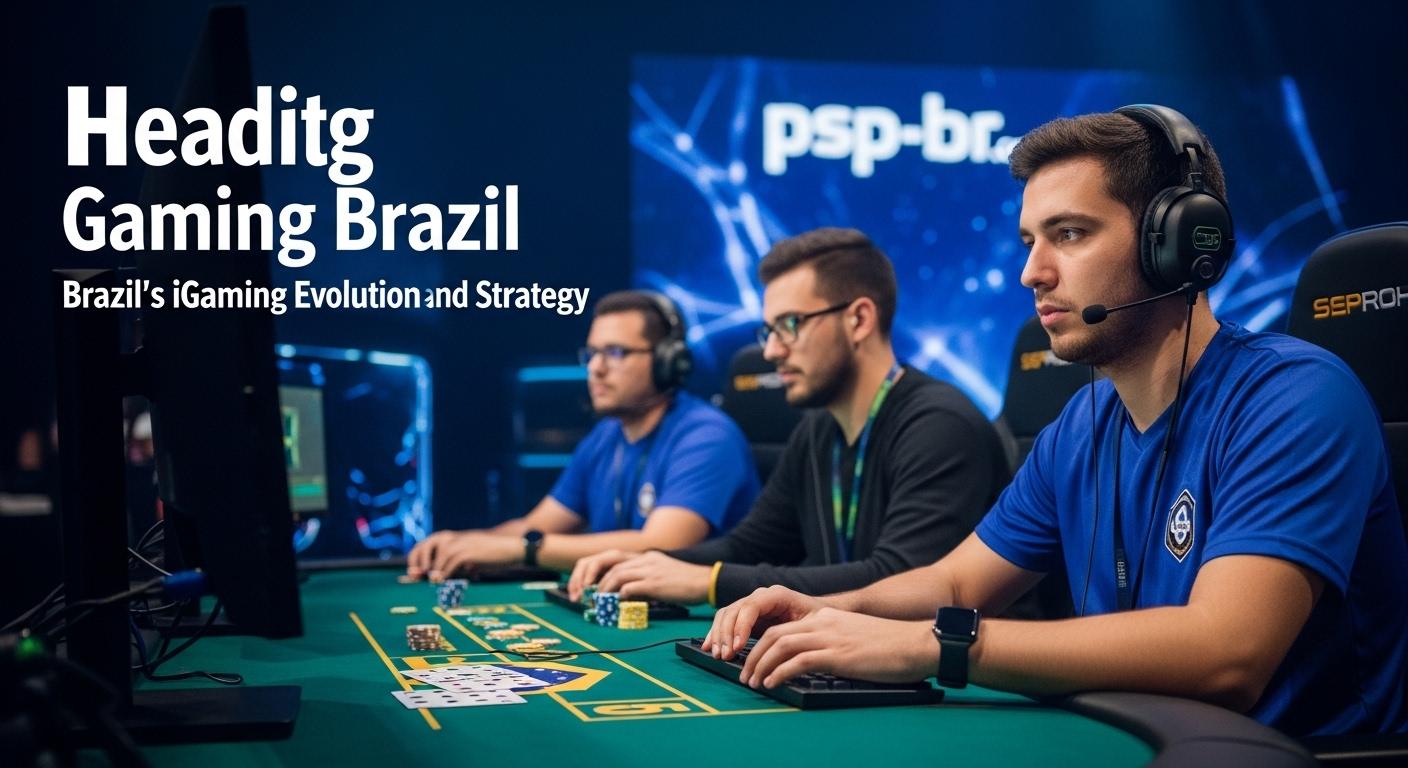
rodrygo Gaming Brazil stands as a concise label for a broader phenomenon: Brazilian football culture expanding into the gaming world, where a single name can shift consumer attention and shape how brands connect with fans. This piece probes how the fusion of football prestige and digital entertainment is shaping Brazil’s esports economy, what drives engagement at the street-level in cities from Recife to Porto Alegre, and how developers, sponsors, and regulators might respond to this evolving dynamic.
The crossover: football fame as a gateway to gaming
In Brazil, football remains the primary cultural lens through which media is consumed, but gaming is increasingly a second language spoken across generations. The presence of a high-profile player associated with the national ethos—whether through national-team campaigns, club success, or social media reach—acts as a catalyst for audiences to explore interactive platforms. Rodrygo, as a symbol of Brazilian football excellence, embodies a bridge between on-pitch heroics and the immersive experiences offered by mobile and PC-based games. Fans interpret a player’s calibration of timing, risk-taking, and teamwork as transferable cues for enjoying competitive games, fantasy leagues, and streaming contents. The result is not merely a spike in downloads; it’s a gradual normalization of gaming as a parallel arena for national pride and personal achievement.
The practical effect for publishers and streaming platforms is a demand curve that rewards culturally resonant content: locally produced esports events with Brazilian flavor, in-game cosmetics that evoke familiar symbols, and influencer campaigns that reflect the country’s regional diversity. When fans see a familiar football figure engage with a game—whether by streaming a match, endorsing a digital jersey, or participating in a co-branded tournament—it lowers friction for first-time players and sustains longer-term participation. The Brazilian audience tends to favor mobile experiences with social features, quick match formats, and community-driven content, all of which align with football fans’ expectations for fast-paced, social, and sharable moments.
From a media-economy perspective, the Rodrygo-linked narrative signals a shift toward cross-media storytelling where a player’s personal brand is not confined to a club or federation. Instead, it bleeds into game studios, hardware campaigns, streaming partnerships, and even grassroots esports events that sit outside traditional stadium economics. This decoupling of star power from singular platforms offers both opportunity and risk: opportunity to scale audience reach rapidly, and risk of dilution if partnerships fail to translate into meaningful gameplay experiences or local relevance.
Market dynamics in Brazil’s gaming and betting landscape
Brazil’s gaming economy has grown in a mobile-first environment where affordable smartphones, expanding data coverage, and social networks drive participation. A large, young demographic prefers quick, accessible experiences—think bite-size battles, friend-sourced challenges, and live-streamed competitions. This creates fertile ground for brands to cultivate loyalty through episodic formats: weekly challenges tied to real-world football seasons, limited-time in-game events during major tournaments, and influencer-led tutorials that translate football strategy into gameplay tactics. The alignment with football culture also positions brands to explore sponsorships around local tournaments and community centers, reinforcing a sense of national identity within the gaming ecosystem.
Regulatory and commercial considerations shape how these opportunities unfold. The Brazilian gaming market has seen debates around online betting advertising and consumer protection, which influence how promotions can be structured and how privacy and data usage are communicated to players. While betting is not the only thread connecting football and gaming, it remains a salient area where policy clarity matters for both operators and advertisers. The presence of a football star as a public-facing figure can amplify promotional reach, but it also elevates scrutiny over responsible gaming practices and the alignment of messages with local norms and regulations. The evolving policy environment will thus play a significant role in determining if and how star-powered campaigns scale beyond pilot programs into sustained, compliant revenue streams.
On-ramps matter. For Brazilian players, a credible path from discovery to retention often begins with a social hook—a clip, a livestream, or a short-form highlight—that ties a football moment to a game feature, such as a momentum-based boost, an exclusive skin, or a team customization kit. If the experience feels authentically Brazilian—reminiscent of neighborhood leagues, street soccer lore, and regional dialects—players are more likely to invite friends, which fuels organic growth. Conversely, misaligned campaigns risk alienating fans who expect cultural nuance and fair representation rather than a generic, imported narrative. This tension underscores the need for localized data, community input, and iterative product design that adapts to different Brazilian regions and their distinct gaming appetites.
Strategic implications for developers and brands
For developers, the opportunity lies in co-creating experiences that resonate with football fans while leveraging the global language of gaming. This could mean partnerships with Brazilian clubs to unlock club-themed cosmetics, or in-game events that mirror the rhythms of Brazil’s domestic leagues. It also invites a model of ongoing collaboration with local creators—streamers, analysts, and community organizers—who can translate football insight into accessible gameplay tutorials and entertaining content. In practice, successful campaigns will be those that respect the pace of Brazilian communities, offer meaningful rewards, and provide visible avenues for player feedback and iteration.
For brands and sponsors, the intersection of football prestige and gaming invites a more nuanced approach to activation. Rather than one-off endorsements, long-term partnerships that integrate content creation, tournament ecosystems, and youth-focused outreach can yield durable audience engagement. Brands should prioritize transparency, local governance of data, and a commitment to responsible gaming messaging that aligns with Brazilian consumer expectations. A well-structured program can also serve as a testing ground for new product features—like region-specific tournaments or cross-border collaborations within the Lusophone market—that reinforce the perception of a Brazilian-led, globally informed ecosystem.
Lastly, platform and policy alignment is a practical prerequisite. Operators should invest in local compliance capabilities, adapt to data-privacy standards, and build channels for reporting harms and promoting safe play. These steps not only protect players but also help establish credibility with regulators and civil society groups who watch the industry’s growth with heightened scrutiny. When done well, the Rodrygo effect could become a blueprint for responsible, culturally attuned growth—one where entertainment, sport, and community converge to broaden participation rather than fracture it.
Actionable Takeaways
- Prioritize localized content: design in-game events and cosmetics that reflect Brazilian football culture and regional fan communities.
- Invest in creator-led ecosystems: partner with Brazilian streamers and content creators to co-develop tutorials, challenges, and storytelling formats linked to football seasons.
- Support responsible gaming messaging: integrate clear safety prompts and parental controls within campaigns to build trust with players and regulators.
- Align with mobile-first strategies: emphasize bite-sized, social, and multiplayer formats that match how Brazilian users prefer to play and share.
- Foster sustainable partnerships: create long-term sponsorships and tournament structures that bring consistency beyond one-off activations.
- Monitor regulatory developments: stay ahead of changes in online gaming and advertising rules to ensure compliant, scalable growth strategies.