
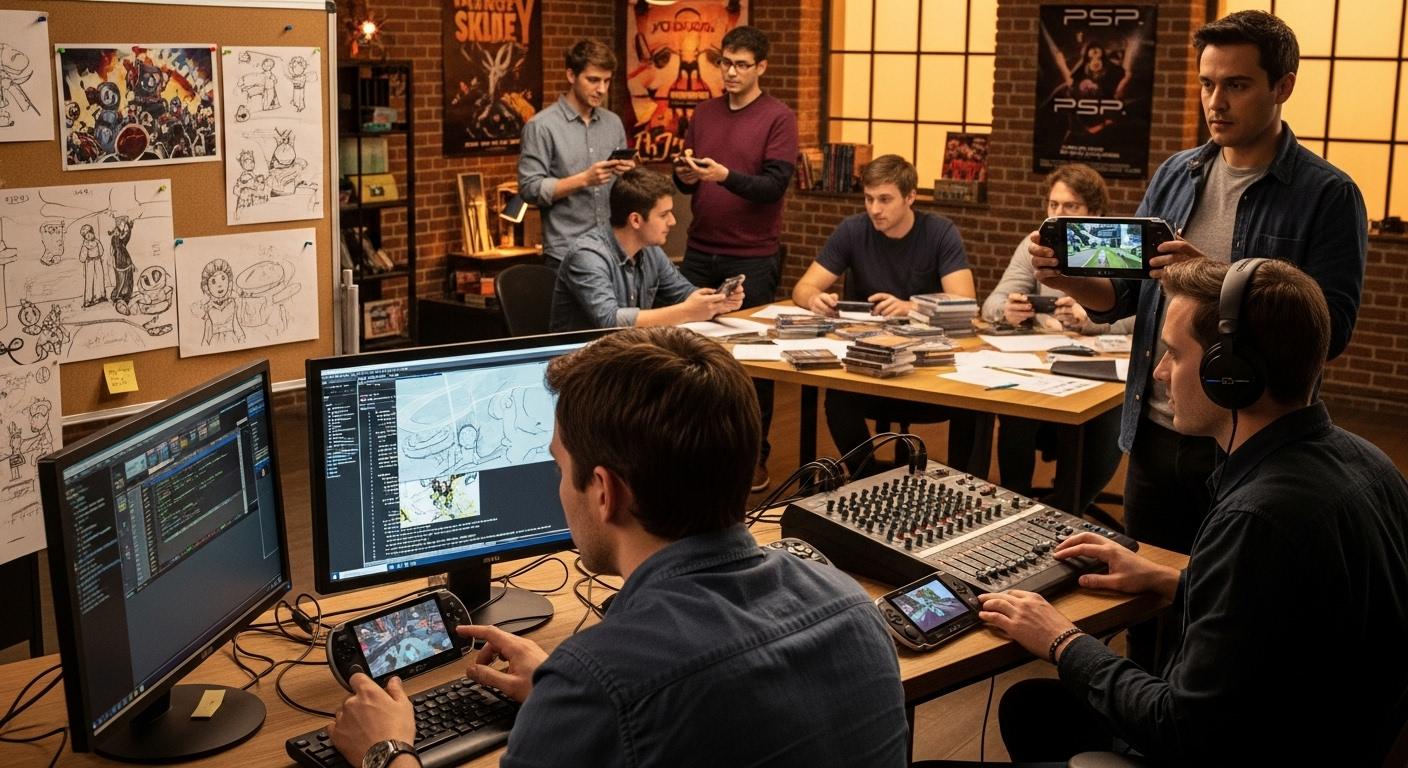
rodrygo Gaming Brazil has emerged as a lens through which Brazil’s sports fans, streamers, and game developers view the evolving relationship between football stardom and digital entertainment. In 2026, the country’s gaming ecosystem is no longer a peripheral pastime but a reflection of national identity, sponsorship networks, and the daily routines of millions who switch between ball matches and mobile battles. This analysis examines how Brazil’s gaming culture is being shaped by competitive leagues, regional studios, and the cultural currency of football stars, and what that means for PSP-br.com readers navigating a market that blends sports fervor with screens and latency.
Brazil’s gaming audience in 2026
The Brazilian market continues to tilt toward mobile play, with smartphones acting as the primary gateway to competitive titles, social features, and long-form streams. The shear scale of mobile adoption—coupled with affordable data plans and regional internet access—creates a broad, diverse audience that consumes both casual and competitive experiences in Portuguese, with a growing appetite for local tournaments, coaching streams, and editorials that translate in-game tactics into culture. This mobile-first reality matters for outlets like PSP-br.com: it means skews toward shorter, highly actionable formats and content that travels well on social platforms, rather than relying solely on traditional console-centric narratives. The result is a Brazilian gaming culture that values speed, clarity, and community engagement—attributes that intersect with football fandom and the broader entertainment landscape. In this environment, the narrative around rodrygo Gaming Brazil becomes more than a keyword; it signals a broader pattern where star power, brand partnerships, and player-driven content co-create a shared space for fans and players alike. As audiences migrate between live matches, mobile tournaments, and curated streams, editorial coverage must thread technical insight with accessible storytelling that respects the tempo of Brazilian viewing habits.
Athletes as platforms: the cross-over effect
Brazilian sports culture increasingly treats football stars as multipliers for gaming ecosystems. Endorsements, streaming collaborations, and tournament appearances blur the lines between on-pitch performance and on-screen presence. For outlets serving Brazilian readers, this trend means more than celebrity cameos: it creates a demand for authentic, localized narratives that connect tactical analysis with fan experience. rodrygo Gaming Brazil sits at the intersection of this dynamic, illustrating how a single cultural thread can weave together brand storytelling, grassroots communities, and professional esports pipelines. Editorial strategies that quantify audience sentiment, map sponsorship ecosystems, and highlight local developers will be more valuable than ever, because fans expect content that reflects their lived reality—where football is not just a sport but a cultural language that translates across gaming genres, from football sims to battle royales. The cross-over also invites scrutiny of scalability: can Brazilian studios translate this energy into sustainable game development, regional tournaments, and long-term fan engagement without sacrificing authenticity?
Local dynamics for a Brazilian-focused outlet
PSP-br.com operates in a market characterized by linguistic nuance, price sensitivity, and a preference for practical, near-term insights. Local expertise matters because content must address infrastructure realities, regional accessibility, and the pace at which Brazilian audiences adopt new formats—such as short-form live commentary, localized mods, and in-game events tied to broader sports calendars. The Brazilian gaming scene benefits from a dense network of indie studios and mid-sized publishers that are increasingly collaborating with streaming platforms, enabling a feedback loop between developers, players, and fans. For a Brazilian-focused outlet, the challenge is to curate a mix of evergreen analysis, timely reporting, and hands-on guidance that helps readers make informed choices about how to allocate time and money across consoles, PC, and mobile ecosystems. It also requires a careful calibration of tone: content should be practical, well-sourced, and narrative-driven, avoiding overstatement while clearly outlining causality and potential scenarios. In this context, rodrygo Gaming Brazil serves as a case study in how national narratives shape editorial priorities—pressing for stories that connect football culture, gaming diversity, and consumer expectations into a coherent whole that is useful to readers navigating a rapidly evolving market.
Monetization and policy: opportunities and risks
Brazil’s gaming and sports sponsorship landscapes are increasingly interwoven with digital entertainment formats, creating viable paths for monetization through ads, partnerships, and event rights. Yet this growth also invites regulatory scrutiny and a need for ethical framing around sponsorship disclosures, in-game purchases, and data privacy. Brazilian readers respond to transparent, value-driven coverage that helps them distinguish between hype and substance—especially in areas like microtransactions, loot-box mechanics, and competitive integrity. Industry observers highlight that successful models will emphasize localized relevance—Portuguese-language content, affordable access, and credible educational pieces that help readers understand how sponsorships and events translate into real-world opportunities for players, developers, and venues. As PSP-br.com charts these currents, it can position itself as a practical resource for clubs, studios, and fans seeking to navigate a market where sports and gaming ecosystems increasingly overlap through shared audiences, co-branded events, and cross-promotional content. rodrygo Gaming Brazil, in this framing, becomes a bellwether for how Brazil’s gaming media can translate national passion into sustainable business and informed consumer choices.
Actionable Takeaways
- Prioritize mobile-first content that explains gameplay mechanics, tournament formats, and strategy in concise Portuguese summaries tied to football seasons.
- Develop partnerships with Brazilian clubs, local influencers, and regional studios to create authentic, sport-informed gaming narratives.
- Publish practical guides on monetization, in-game economies, and consumer protection tailored to Brazilian audiences.
- Balance editorial coverage between marquee events and community-driven grassroots initiatives to sustain reader engagement.
- Monitor regulatory developments and disclose sponsorships clearly to maintain trust and credibility with readers.




Deixe um comentário